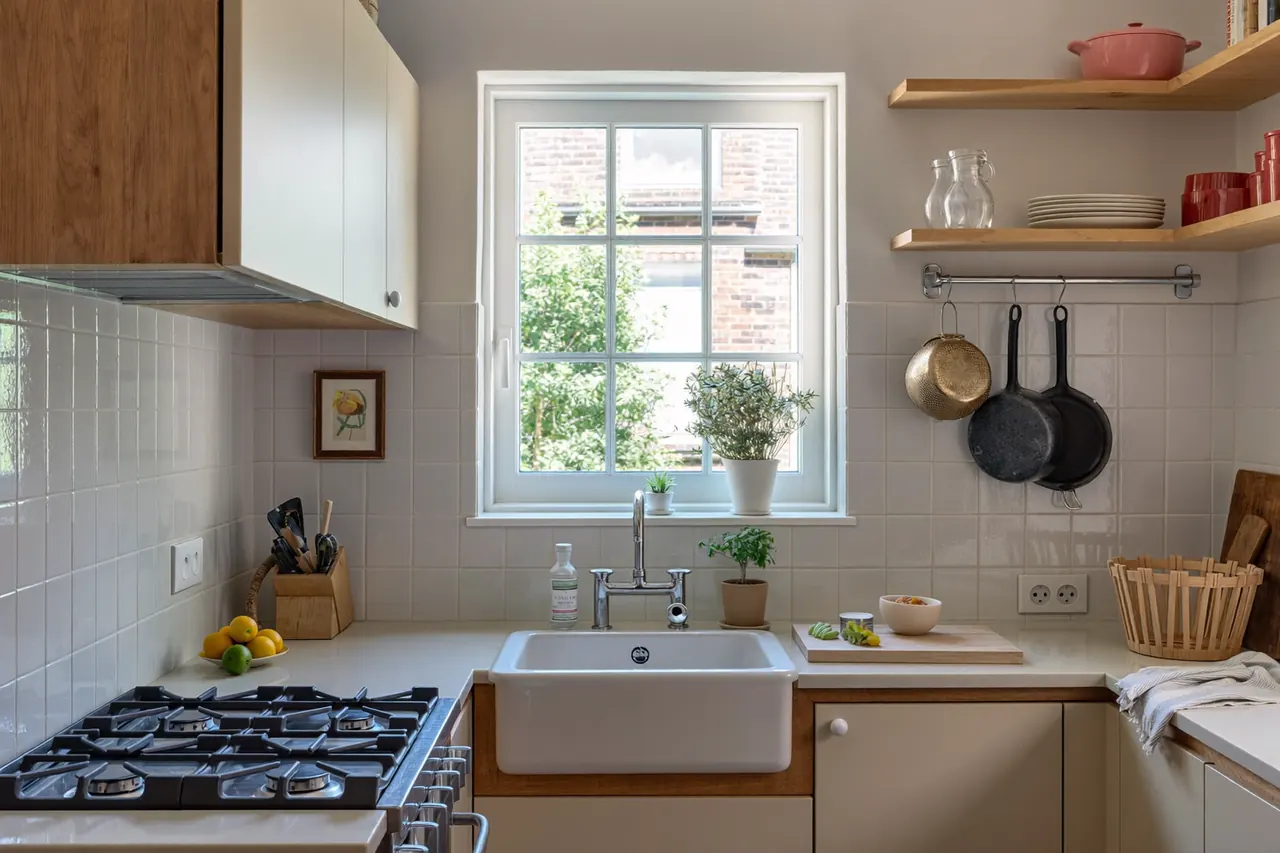
Kitchen & bathroom windows
Kitchens and bathrooms ask more of a window than most rooms. They deal with steam, moisture and cooking smells, they often need privacy, and the window frequently sits above a worktop, sink or bath where reach and operation matter. This guide covers the practical choices for replacing kitchen and bathroom windows — ventilation, privacy glass, opening styles and the details that make these rooms work.
Ventilation comes first
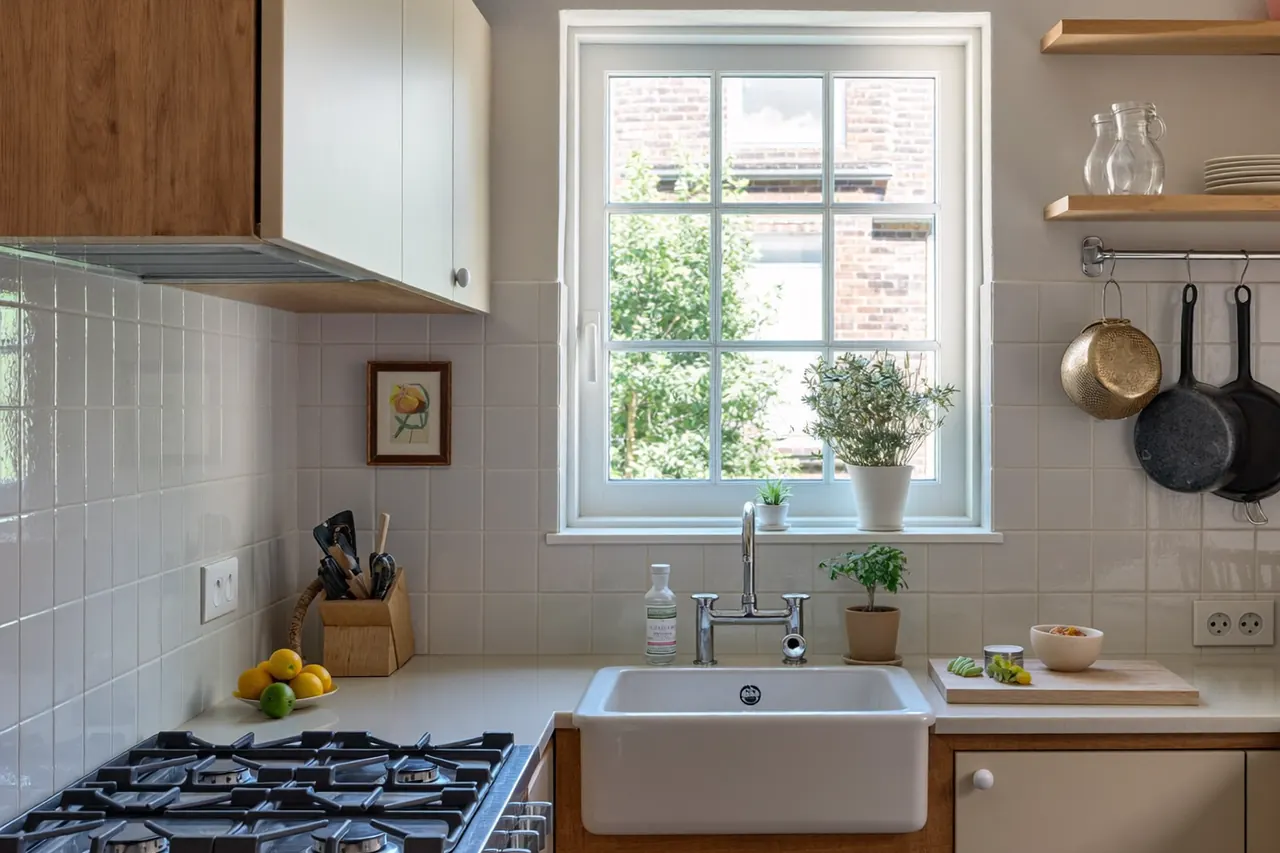
Both rooms produce a lot of moisture, and getting it out is essential to avoid condensation, damp and mould. Modern windows include trickle vents for background ventilation, which are now generally required under building regulations when you replace a window. Beyond that, think about how the window opens: top-opening fanlights are handy above a kitchen sink or worktop where you can’t easily reach a side handle, while a standard casement gives a wider opening for a quick clear-out of steam. An extractor fan still does the heavy lifting in a bathroom, but a well-chosen window helps.
Privacy glass for bathrooms
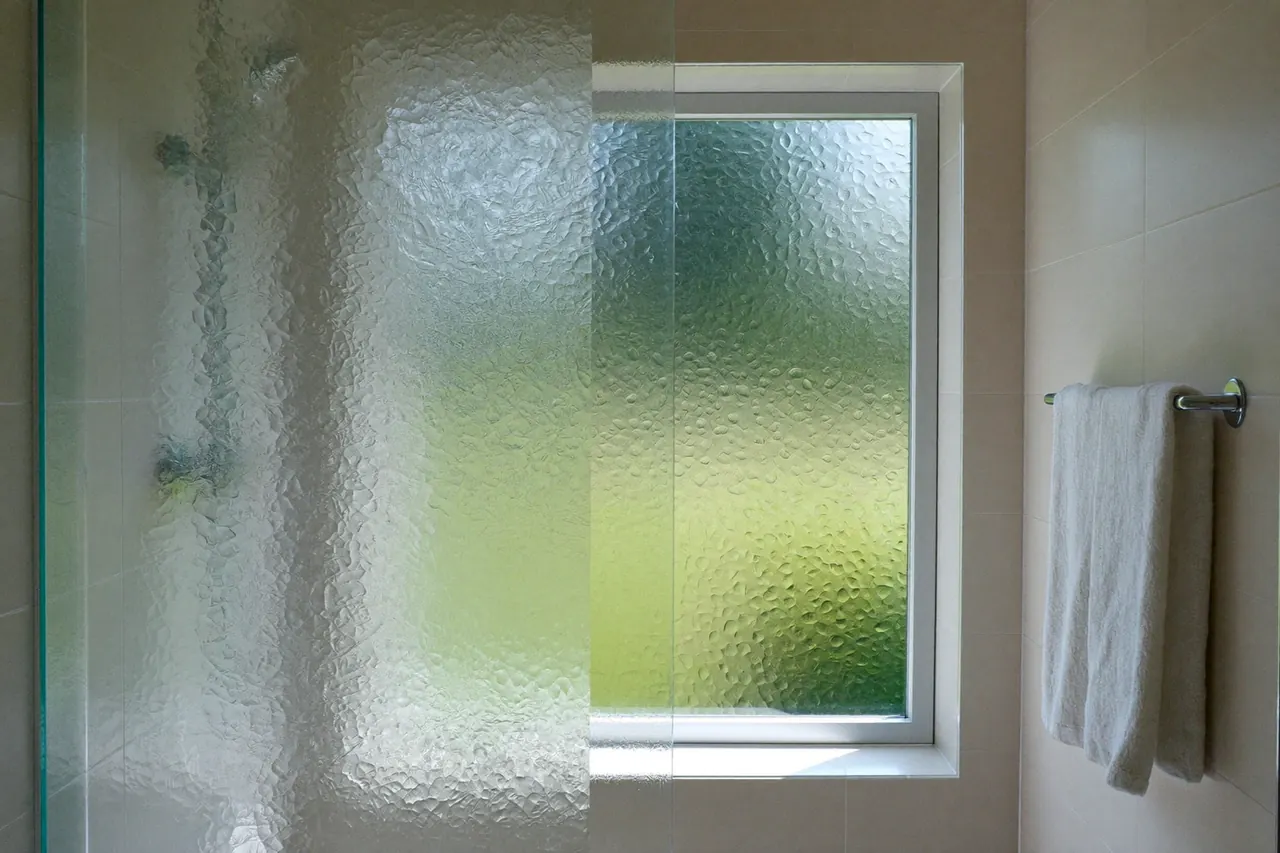
Bathroom windows almost always need obscured (privacy) glass. This comes in a range of patterns and privacy levels — usually rated from one to five, with five being the most obscured — so you can let light in while keeping the room private. For a ground-floor bathroom overlooked by a path or neighbour, go for a higher privacy level; for an upstairs bathroom, a lighter texture may be plenty. Kitchens rarely need obscured glass, though a textured pane can help on a window that faces a fence or wall.
Quote your kitchen or bathroom
Tell us what you need and get free, no-obligation quotes from vetted local installers who fit these rooms every week.
Quote my home →Choosing the right glass and frame
Because these rooms are used in short, intense bursts — a hot shower, cooking dinner — energy-efficient glazing helps them warm up quickly and hold the heat. If you’re weighing up options, it’s useful to understand which glazing type suits each room — double, triple and secondary. For frames, uPVC is the usual choice here: it’s moisture-resistant, easy to wipe clean and cost-effective, which suits rooms that see a lot of splashing and steam.
Practical details that matter
Think about safety glass where a window is close to a worktop, hob or bath, and about restrictors on upper-floor openings. Consider how easy the window will be to clean given what sits below it. And if you’re replacing these rooms as part of a wider project, our guides to living room and bay windows and bedroom and loft windows cover the rest of the home. To sense-check pricing, you can compare glazing quotes from several installers.
Compare wet-room window quotes
Free, no-obligation quotes from accredited installers — ventilation, privacy glass and easy-clean frames sorted.
Quote my home →