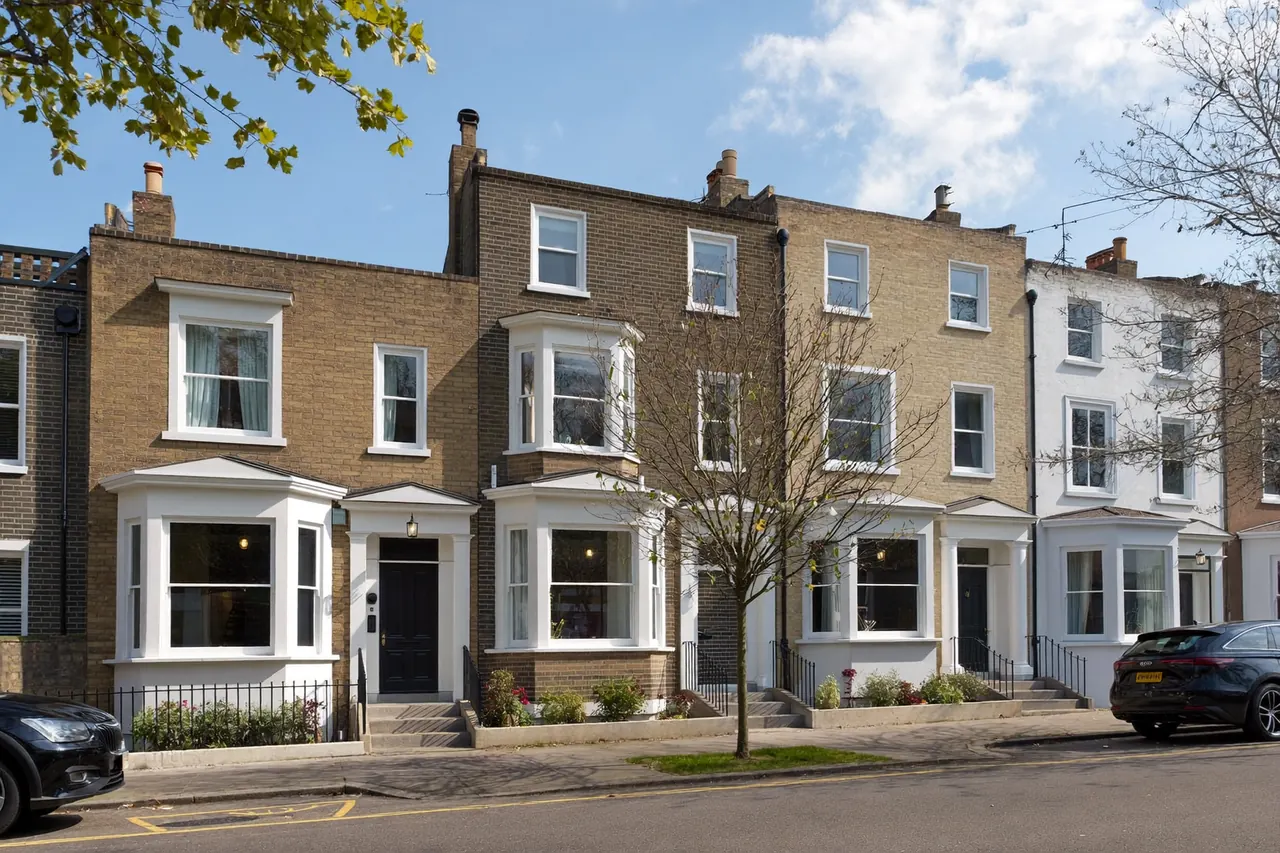
Period property window replacement
Older and period homes deserve windows that respect their character while still delivering modern comfort. Whether you own a Victorian terrace, a Georgian townhouse, a 1930s semi or a cottage in a conservation area, replacing the windows is a balance between authenticity and performance. This guide covers sympathetic replacement, the rules you need to know, and how to get a quote that reflects the extra care these homes need.
Matching the character of the home
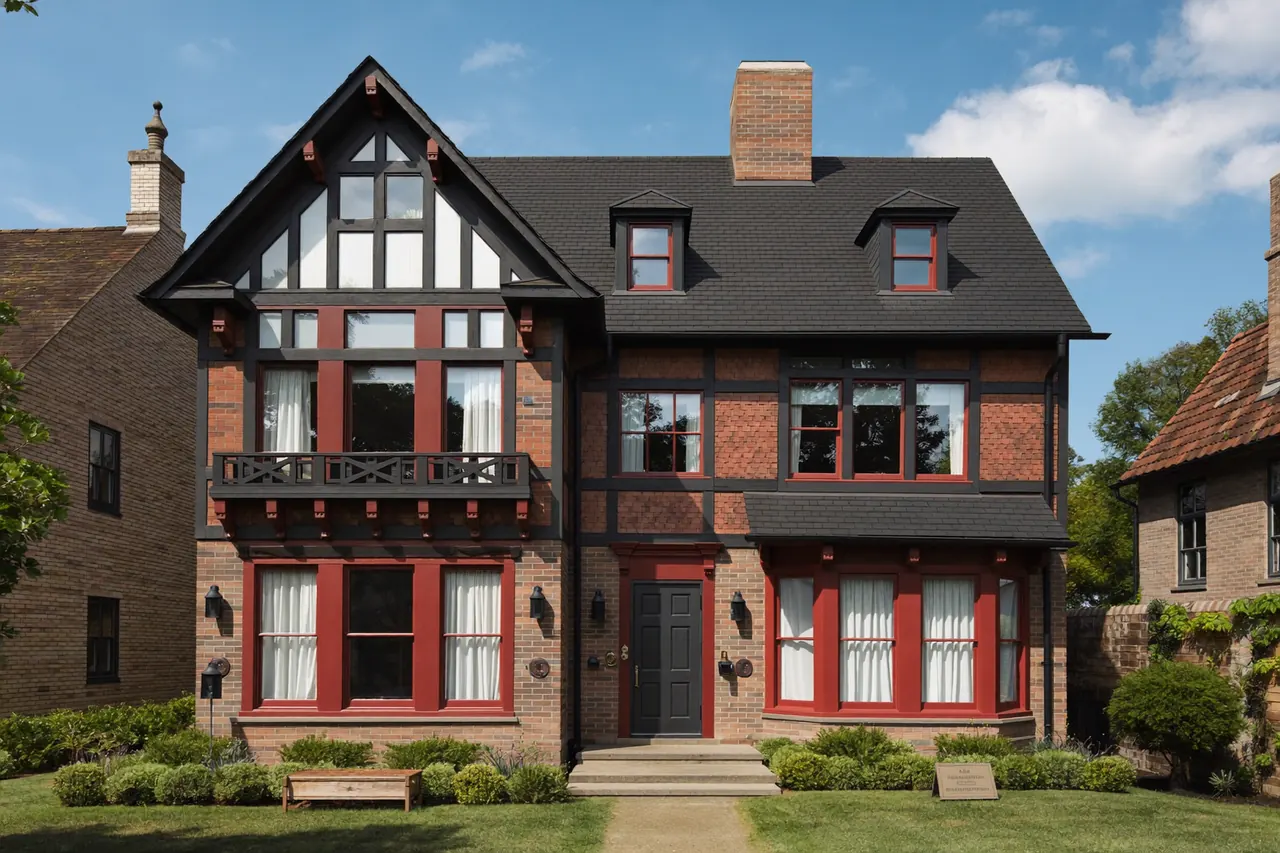
The windows are one of the most defining features of a period property, so a sympathetic replacement keeps the proportions, the glazing bars and the operation as close to the original as possible. Many older homes had timber sash windows — vertical sliding units divided into panes. Modern replacements can recreate this look faithfully, either in timber or in a timber-effect uPVC or aluminium that captures the profile and the astragal bars while adding double glazing. Casement homes from the 1930s onwards can usually be matched more straightforwardly.
Conservation areas and listed buildings
This is the most important thing to check before you do anything. If your home is listed, you will almost always need listed building consent to change the windows, and the replacements may need to match the originals exactly in material and design. If you’re in a conservation area, permitted development rights may be restricted and the local planning authority may have specific requirements about style and materials. Always check with your council before committing — a good installer experienced in period work will be familiar with these rules and can advise.
Quote your period home
Tell us about your older or conservation-area property and get free, no-obligation quotes from installers experienced in period work.
Quote my home →Balancing authenticity with comfort
The good news is you rarely have to choose between looks and performance. Slim double-glazed units, discreet trickle vents and heritage-style profiles let you keep the appearance while cutting draughts and noise. Where planning rules prevent changing the original windows — common with listed buildings — secondary glazing fitted behind the existing window is an excellent option. It’s worth reading how the glazing types compare: double, triple and secondary so you can pick the right approach for your home’s constraints.
Getting a period-appropriate quote
Quotes for period homes tend to be higher than for a standard modern house, because the windows are often larger, more detailed, and made to match a specific historic style. A thorough survey is essential — the installer needs to record the exact profiles, glazing bars and dimensions. Compare more than one specialist, and to gauge the wider market you can compare glazing quotes across the UK. Our guide to windows by property type covers how different homes affect the job more broadly.
Compare heritage window quotes
Free, no-obligation quotes from accredited installers who understand period and conservation-area homes.
Quote my home →